
Cyber security
Cyber Security: Protecting the Person Behind the Password
What happens to the person whose account becomes part of a cyber incident?
 Book a demo
 Ideas for safer work
Practical thinking on risks, people and the work that happens every day.
Featured · Critical risks
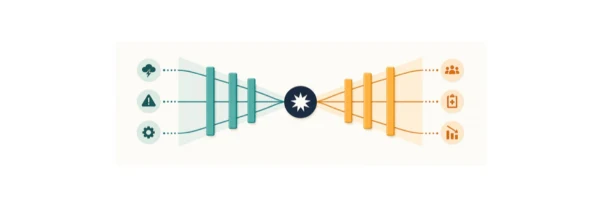
Good controls help prevent an incident. But what happens if it still occurs? Explore both sides of risk, and the gaps that can hide between them.
Read the articleCyber security
What happens to the person whose account becomes part of a cyber incident?
Assets & maintenance
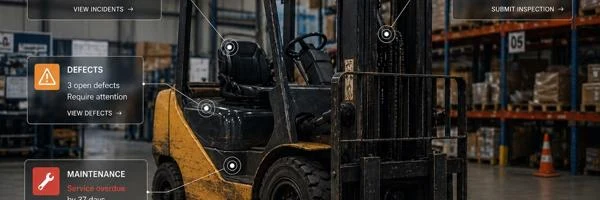
What your maintenance records can tell you beyond the next service date.
Critical risks
Look beyond the paperwork to the risks that could cause serious harm.
Browse the full collection, from our latest thinking to earlier articles.

When a business suffers a cyber attack, the immediate focus is usually on restoring systems, protecting data, and keeping operations running. But what happens to the employee…
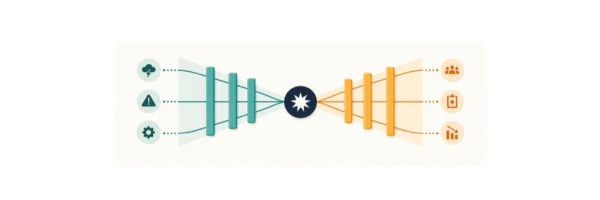
Discover how bow-tie functionality separates Preventative and Recovery Controls, reveals critical-risk gaps and supports better incident learning and control assurance.
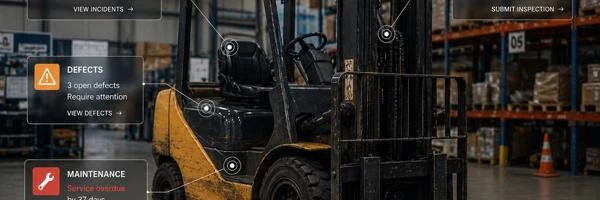
For many businesses, asset management is treated like housekeeping. You log the asset, schedule the maintenance and tick the box when the job is done. On paper, that looks like…
Most businesses claim to have a safety system – there’s a risk register; policies and procedures., incident reporting and maybe even a dashboard or two. On the surface, it looks…

Safe Work Method Statements (SWMS) are supposed to be the backbone of managing high-risk work. In theory, they outline the hazards, controls, and steps required to keep workers…
Workplace incidents are inevitable. Despite best efforts to prevent them, accidents and near-misses do happen. When it comes to managing these events, many businesses still focus…

Workplace health and safety isn’t just about preventing physical injuries. While hazards like falls, machinery incidents, and chemical exposure are well understood, many…
In too many businesses, health and safety still lives under the umbrella of compliance; a set of procedures that must be followed to satisfy the law, completed because it’s…
This past week, the Government announced a series of proposed changes to the Health and Safety at Work Act 2015 (HSWA). For many in the health and safety community, the reaction…

When we talk about critical risks in the workplace, we’re not talking about paper cuts or sprained ankles – we’re talking about the kinds of risks that, if they go unmanaged,…

When it comes to workplace safety, structure matters. Who “health and safety” reports to can make or break the impact it has. Get it right, and safety becomes quickly embedded…
Establishing the right health and safety culture in any organization is as critical to business success as a solid marketing plan or recruitment strategy. Unfortunately, this is…
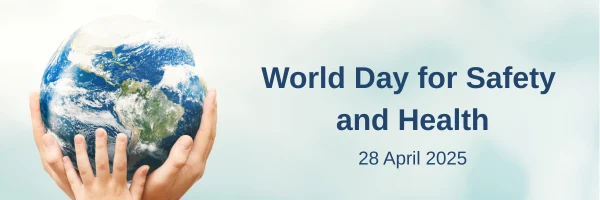
Every year on April 28, the International Labour Organisation marks World Day for Safety and Health at Work which is intended to be a global moment to pause, reflect, and ask…

Last week, Minister for Workplace Relations and Safety, Brooke van Velden, unveiled the first stage of the government’s plan to reform New Zealand’s Health and Safety at Work Act…

When it comes to workplace safety, data is invaluable. Metrics such as incident rates, near-miss reports, and compliance checklists can provide essential insights into safety…

In the world of workplace health and safety, we often rely on metrics and data to assess how well we’re doing. Decreasing injury rates, zero-incident milestones, and completed…

As the Christmas holiday season wraps up and we return to back to work, January offers a unique opportunity to reflect, reset, and refocus on workplace safety. The start of a new…

As the year winds down, it’s the perfect time to reflect, reset, and prepare for the year ahead. For businesses, this means conducting crucial end-of-year safety checks to ensure…
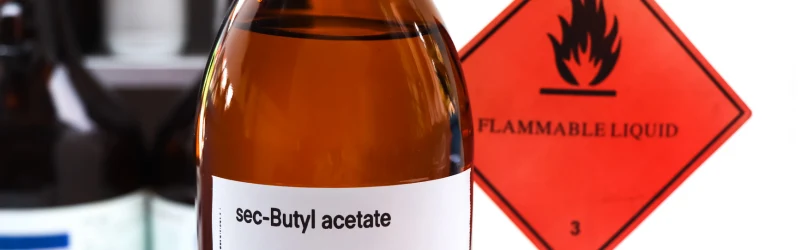
The Hazardous Substances and New Organisms (HSNO) regulations in New Zealand are designed to ensure the safe use, storage, and transportation of hazardous substances.
Without preparation, emergencies can have severe consequences, however, a well-designed emergency plan allows businesses to protect their employees and respond swiftly when the…

No matter how sophisticated your safety systems are, human slip ups remains one of the leading causes of workplace accidents. While systems and processes are essential for…

A proactive safety culture is one where potential hazards are identified and addressed before they lead to serious incidents. It shifts the focus from reacting to accidents after…

In recent years, there has been a growing awareness of the importance of mental health in the workplace, however, many organizations still overlook the direct impact that mental…

By blindly following “good safety practices” without questioning their actual real world effectiveness, organisations may be overlooking critical blind spots that can lead to…
As New Zealand transitions from spring into the warmer months of summer, businesses must be proactive in addressing seasonal health and safety challenges. This period brings…
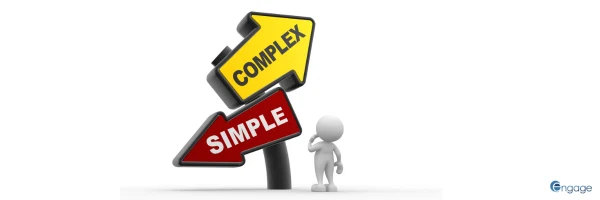
Health and safety is a crucial aspect of any business, however, it’s easy to fall into the trap of overcomplicating your approach, leading to confusion, inefficiency, and…
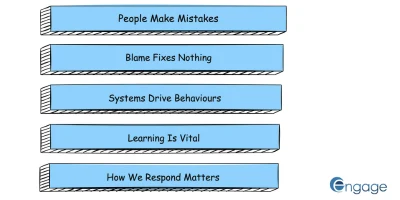
In the realm of health and safety, the focus has traditionally been on preventing incidents by enforcing rules, procedures, and controls. However, as industries evolve, so too…

Implementing ISO45001:2018, the international standard for Occupational Health and Safety Management Systems (OHSMS), is a crucial step for organisations committed to ensuring the…

Taking a holistic approach to H&S requires more than just ticking off regulatory checkboxes. Ethical considerations play a fundamental role in creating a workplace environment…
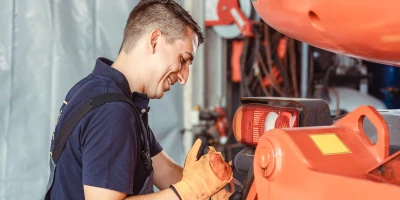
In the fast-paced world of manufacturing, machinery is the backbone of production. Ensuring that machinery operates smoothly and efficiently is crucial for maintaining not just…

The rise of remote work over the last few years has transformed the way businesses operate, offering more flexibility and convenience to employees.
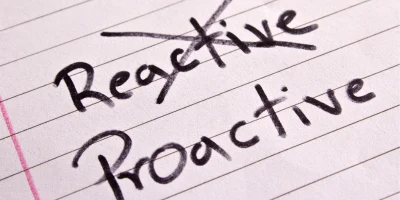
While traditional safety measures are essential, the key to truly effective workplace safety lies in building a proactive safety culture.

In today’s interconnected world, the lines between cyber security and physical safety are increasingly blurred, particularly in the transport and manufacturing industries. As…
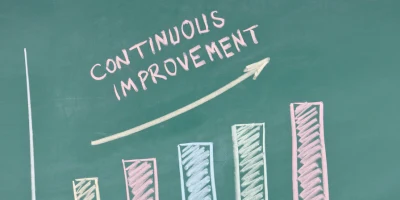
You know that protecting employee health and safety should be a top priority, but even when you’ve implemented good safety procedures and protocols, there’s always room for…

ISO 45001:2018 is an internationally recognized standard that sets the framework for an effective Occupational Health and Safety Management System (OH&S MS).

In today’s digital age, organizations are constantly seeking innovative solutions to streamline their operations and enhance workplace safety. One such solution is the…

If you’re like most business owners, workplace health and safety checks probably aren’t at the top of your to-do list. But they should be.
What is health and safety training? Health and safety training is a crucial aspect of ensuring the well-being of employees in the workplace. It involves providing individuals with…

Assets are the lifeblood of any organization, and their proper maintenance is crucial for ensuring longevity, productivity, and operational efficiency. In this article, we’ll…
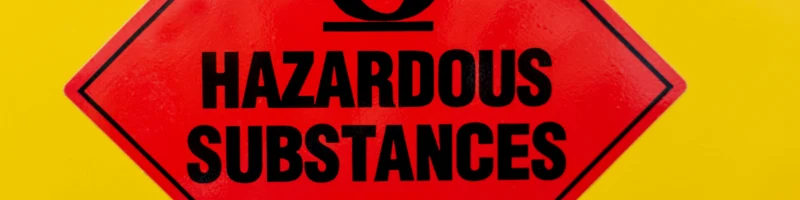
Workplace safety is of utmost importance for every organization, and proper management of hazardous substances plays a crucial role in ensuring the well-being of employees. Let’s…

There are a number of benefits to getting rid of health and safety KPIs. Of course, there are also some potential drawbacks to getting rid of health and safety KPIs. For example,…

As professionals, we all strive for increased productivity within our organizations. Did you know that having a strong health and safety system can play a significant role in…

As professionals in health and safety, we constantly strive to create safer work environments for our employees. One powerful tool that can significantly enhance our efforts is…

Essentially Safety 1 and Safety 2 are two different approaches to managing safety in the workplace. Here’s a simple breakdown of the key differences between Safety 1 and Safety 2:…

Health and safety in the workplace is a non-negotiable, and one crucial aspect of safeguarding our employees is ensuring they have the right Personal Protective Equipment (PPE).…
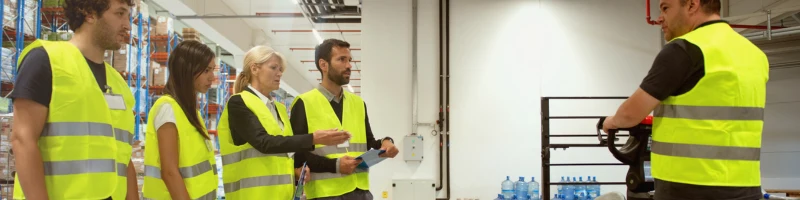
Health and safety in the workplace are not just checkboxes on a to-do list – they are the foundation upon which organizations thrive. As leaders, it is crucial to recognize the…

Health and safety in the workplace are not just buzzwords – they are critical pillars of success for any organization. As leaders, it is our responsibility to prioritize the…